


There is a quiet magic when daylight fades unexpectedly and the Sun's brilliance is gently veiled by the Moon's shadow. In the UK, these moments are rare and precious. Such moments are fleeting whispers of the cosmos that inspire awe and wonder.
The anticipation of a solar eclipse sparks a deep curiosity: When will the skies next perform this celestial dance? Knowing when the next solar eclipse will happen allows you to prepare, witness and fully embrace this spectacular event.
This guide will illuminate the path to the upcoming eclipse, explain the science behind it and show you how to experience it safely while marvelling at its beauty.
What Is a Solar Eclipse?
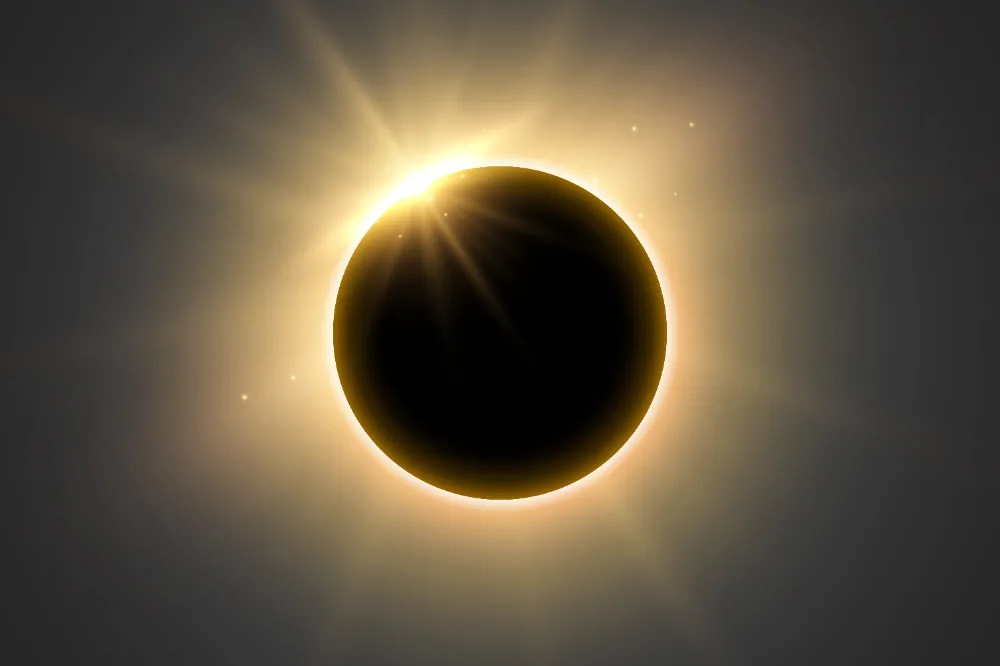
A solar eclipse occurs when the Moon moves between the Earth and the Sun, briefly blocking the Sun's light from certain areas on Earth. It's a stunning reminder of how perfectly the cosmos is aligned.
Solar eclipses are rare at any one location on Earth because the Moon's shadow only covers a narrow path during each event. This makes every eclipse a memorable occasion.
There are four types of solar eclipses:
- Partial Eclipse;
The Moon covers only part of the Sun's surface and casts a soft shadow. - Total Eclipse;
The Moon completely blocks the Sun and turns the day into a mesmerising twilight. - Annular Eclipse;
When the Moon is too far from the Earth to cover the Sun entirely, it creates a glowing ring. This ring is often referred to as the "Ring of Fire." - Hybrid Eclipse;
A rare type that appears as a total eclipse in some locations and an annular eclipse in others.
When Is the Next Solar Eclipse in the UK?
Mark your calendar for August 12, 2026. This evening, the UK will witness an extraordinary partial solar eclipse that almost reaches totality.
Around 90% of the Sun will be covered by the Moon at its peak. This will make it one of the most dramatic eclipses visible from these shores in decades.
Specifically, the eclipse will begin at 6:17 pm BST and reach its maximum coverage at 7:13 pm BST, just before the Sun sets. This means you can expect a magical and dusky glow as the Moon elegantly slips across the Sun's face.
The table below shows what you can expect across the UK:
| Location | Maximum Sun Coverage (%) | Peak Time (BST) |
|---|---|---|
| Scilly Isles | 96 | 7:13 pm |
| Cornwall | 92 | 7:10 pm |
| London | 91 | 7:13 pm |
| Northern Ireland | 89 | 7:05 pm |
| Scotland | 90 | 7:00 pm |
When is The Next Total Solar Eclipse UK
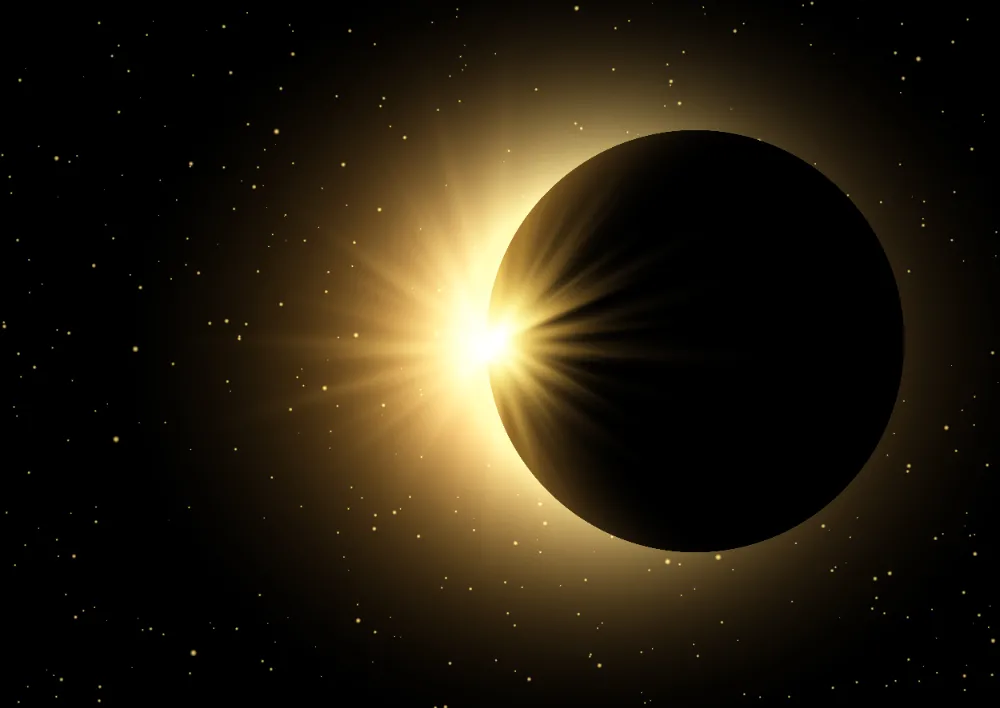
The awe-inspiring total solar eclipse will not be visible in the UK again until 23 September 2090. Total eclipses are rare because the Moon's shadow must align perfectly with your location.
During a total eclipse, the Sun completely disappears behind the Moon and the sky darkens as though twilight has arrived.
The Sun's corona—the glowing halo—becomes visible and for a brief moment, the world seems to pause. This majestic event lasts only a few minutes but leaves a lasting impression.
Though the wait may feel long, this rarity enhances the magic of the eclipse. In the meantime, preparing for partial eclipses offers a wonderful way to stay connected to the cosmos and continue experiencing its wonder.
Upcoming Solar Eclipses Visible from the UK (2025–2030)
While total eclipses like the one in 2090 are rare, the UK experiences partial solar eclipses more frequently. On average, the UK can expect two to five eclipses each year, though many are minor and best seen with special equipment.
From 2025 through 2030, the UK will enjoy a series of partial eclipses, including:
| Date | Eclipse Type | Maximum Coverage (%) | Best Viewing Locations in the UK |
|---|---|---|---|
| 29 March 2025 | Partial | Up to 47% | Fort William (Scotland) – approx. 44%; Glasgow – approx. 41.73%; Edinburgh, Aberdeen and Dundee – slightly over 40%. |
| 12 August 2026 | Partial | Up to 96% | Cornwall – approx. 96%; Aberdeen – approx. 91%. |
| 2 August 2027 | Partial | Up to 48% | South-West England – nearly 60%; North-East Scotland – approx. 30%. |
| 26 January 2028 | Partial | Up to 55% | Cornwall – approx. 55%; West Wales – approx. 51%; Northern Ireland – approx. 42%. |
| 12 June 2029 | Partial | Up to 34% | Eastern Scotland and North-East England – best viewing locations. |
| 1 June 2030 | Partial | Up to 49% | South-East England – best viewing location. |
How to Watch the Next Solar Eclipse Safely
- Check the weather forecast ahead of time and aim for clear skies on the day of the eclipse.
- Find an open location with an unobstructed view of the western horizon where the eclipse will peak near sunset.
- Avoid city centres to minimise interference from buildings and light pollution.
- Never look directly at the Sun without proper eye protection to prevent permanent eye damage.
- Use certified solar eclipse glasses that meet the ISO 12312-2 safety standard.
- Create or use a pinhole projector to safely observe the eclipse indirectly.
- Only use telescopes or binoculars with solar filters; unfiltered optical devices are dangerous.
- Avoid regular sunglasses, cameras or phones without proper solar filters.
- Attend organised astronomy events where experts provide safe viewing gear and advice.
Make Your Eclipse Experience Truly Unforgettable with Picture The Stars
As you prepare to witness the next solar eclipse, why not preserve that magical moment forever? Picture The Stars offers beautifully personalised star maps and Moon prints that capture the night sky exactly as it appeared on your chosen date and location.
You can gift a custom star map that marks the eclipse date alongside a unique moon print showcasing the lunar phase during the event.
Carefully crafted in the UK on premium ultra HD art card stock, these prints are designed to last a lifetime. Additionally, you can select from elegant wooden frames that perfectly complement your décor.
Let your memory of the eclipse shine as brightly as the stars themselves. Explore our collection today and create your own piece of the cosmos.
Conclusion
Knowing when the next solar eclipse in UK will open a gateway to wonder. The partial eclipse on August 12, 2026 promises an extraordinary celestial display that deserves your full attention.
Although the next total solar eclipse in the UK will not occur until 2090, the upcoming events offer beautiful opportunities to connect with the universe and create unforgettable moments.
So, prepare to watch safely, embrace the wonder and carry the memory of the stars with you long after the sky returns to normal.
Ready to capture your special moment?
Create Your Star Map →